HomePlumbingHow Can Homeowners Protect Pets from Sewer Gas Poisoning Risks?
How Can Homeowners Protect Pets from Sewer Gas Poisoning Risks?
January 6, 2026
Sewer gas is an often-overlooked household hazard that can pose serious risks not only to humans but also to pets. While many homeowners are aware of the unpleasant odors associated with sewer problems, few realize that sewer gas can be dangerous for pets, especially small animals that are closer to the floor where these gases accumulate. Understanding the risks, recognizing warning signs, and taking preventive measures are crucial for protecting pets from sewer gas and ensuring a safe home environment.
Content
What Is Sewer Gas?
Sewer gas is a mixture of toxic and non-toxic gases produced by the decomposition of organic waste in sewer lines. It typically contains hydrogen sulfide, methane, carbon dioxide, ammonia, and other compounds. These gases can escape into homes through cracked pipes, broken vents, or dry plumbing traps. While humans may notice the strong, unpleasant odor quickly, pets are often more vulnerable due to their smaller size, faster breathing, and proximity to the ground.
Why Pets Are at Risk
Pets, including dogs, cats, and small animals, can experience sewer gas poisoning pets before any noticeable symptoms appear in humans. The gases can irritate their respiratory system, cause nausea, and even lead to neurological issues in severe cases. Because animals cannot communicate discomfort the way humans do, early detection is key to preventing serious health problems.
Common signs of sewer gas poisoning for pets include:
Unusual lethargy or weakness
Vomiting or drooling
Coughing, wheezing, or labored breathing
Disorientation or unsteady movement
Behavioral changes such as hiding or excessive whining
Recognizing these symptoms early and acting quickly can save a pet’s life.
How Sewer Gas Enters Your Home
Understanding how sewer gas enters your home is essential for prevention. Common entry points include:
Dry P-traps: The water in sink, tub, or floor drains acts as a barrier against sewer gas. When the water evaporates, gases can enter freely.
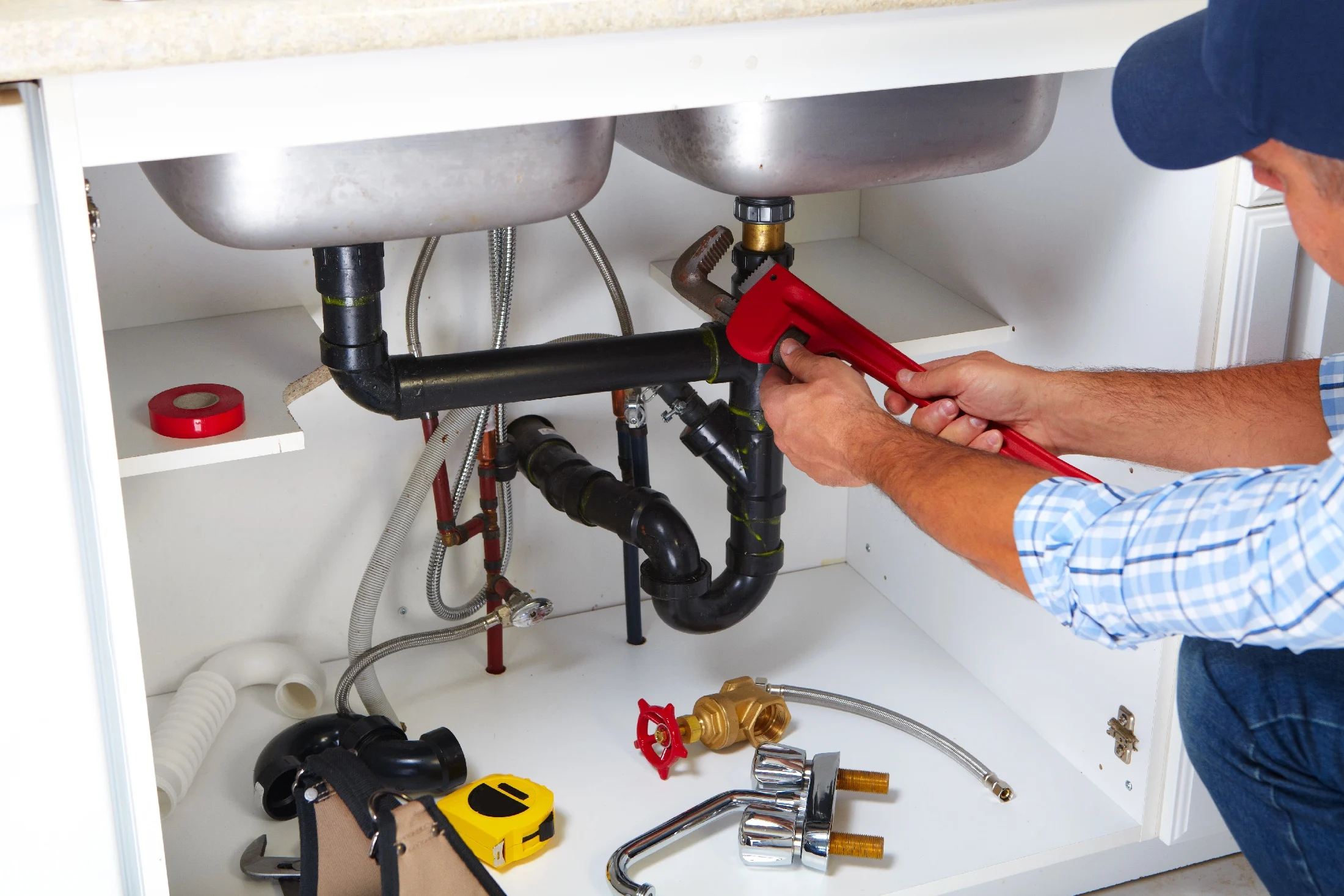
Cracked or broken pipes: Aging plumbing or external damage can create leaks, allowing gas to escape.
Faulty venting systems: Vents ensure proper airflow in your plumbing. Blocked or damaged vents can force gas back into the home.
By addressing these issues promptly, homeowners can reduce the risk of sewer gas can be dangerous for pets.
Steps for Protecting Pets from Sewer Gas
Here are effective measures for protecting pets from sewer gas:
Maintain Water Traps: Ensure that all P-traps are filled with water. Run water regularly in sinks, showers, and floor drains that are not frequently used.
Schedule Regular Plumbing Inspections: A professional plumber can detect leaks, cracks, or venting problems before they become a hazard.
Install Gas Detectors: While standard carbon monoxide detectors do not detect sewer gas, multi-gas detectors can alert you to harmful gases in your home.
Ventilate Properly: Ensure that all plumbing vents are clear and functioning to prevent gas from building up inside.
Respond to Odors Promptly: If you notice unusual smells, investigate immediately. Avoid ignoring odors, as even mild exposure can harm pets over time.
Emergency Response
If you suspect sewer gas poisoning pets, move them to fresh air immediately and contact a veterinarian. Quick action can prevent serious complications. While waiting for professional help, identify the source of the leak if it is safe to do so, and ensure that the area is well-ventilated.
Conclusion
Sewer gas may be invisible, but its impact on pets can be severe. By recognizing the warning signs of sewer gas poisoning for pets, understanding how gases enter your home, and taking proactive steps for protecting pets from sewer gas, homeowners can create a safer environment for their furry companions. Regular plumbing maintenance, proper ventilation, and immediate response to odors are key strategies that ensure the health and safety of pets, preventing the potentially dangerous effects of sewer gas exposure.
Kurt Avans is a home improvement blogger who strives to improve his life and the lives of others. He provides homeowners with helpful tips on how to renovate their homes. His goal is not only to provide easy-to-follow instructions, but also share his own personal experiences for those seeking guidance.
Kurt Avans is a home improvement blogger who strives to improve his life and the lives of others. He provides homeowners with helpful tips on how to renovate their homes. His goal is not only to provide easy-to-follow instructions, but also share his own personal experiences for those seeking guidance.