
How to Unclog Bathroom Sink: Simple, Safe, and Proven Solutions That Actually Work
A clogged bathroom sink can quietly become one of the most annoying problems in your home. I still remember a morning when I was already late for work, turned on the faucet, and watched water rise instead of drain. That slow swirl is often the first warning sign that something is wrong. Over the years, I’ve learned that understanding how to unclog bathroom sink issues early can save time, money, and unnecessary stress.
In this guide, I’ll share practical, real-world methods that actually work. These techniques are safe, beginner-friendly, and based on hands-on experience, not guesswork. Whether you’re dealing with a fully blocked drain or just a slow draining bathroom sink, this post will walk you through the right approach.

Content
Why Bathroom Sink Clogs Happen and How to Unclog Bathroom Sink Easily
Bathroom sinks deal with more than just water. Every day, hair, soap residue, toothpaste, shaving cream, and even makeup wash down the drain. Over time, this buildup sticks to the inner walls of the pipes and can lead to a clogged drain. Knowing how to unclog bathroom sink early can prevent small issues from turning into stubborn plumbing problems. In most homes, the problem doesn’t appear overnight. It starts slowly, often unnoticed, until water begins draining sluggishly. Ignoring these early signs can make the clog harder to fix.
Common causes include:
- Hair trapped near the drain opening
- Soap scum hardening inside pipes
- Grease or beauty product residue
- Improper disposal of thick substances
Understanding what causes the clog helps you choose the most effective solution.
How to Unclog Bathroom Sink Using Safe DIY Methods
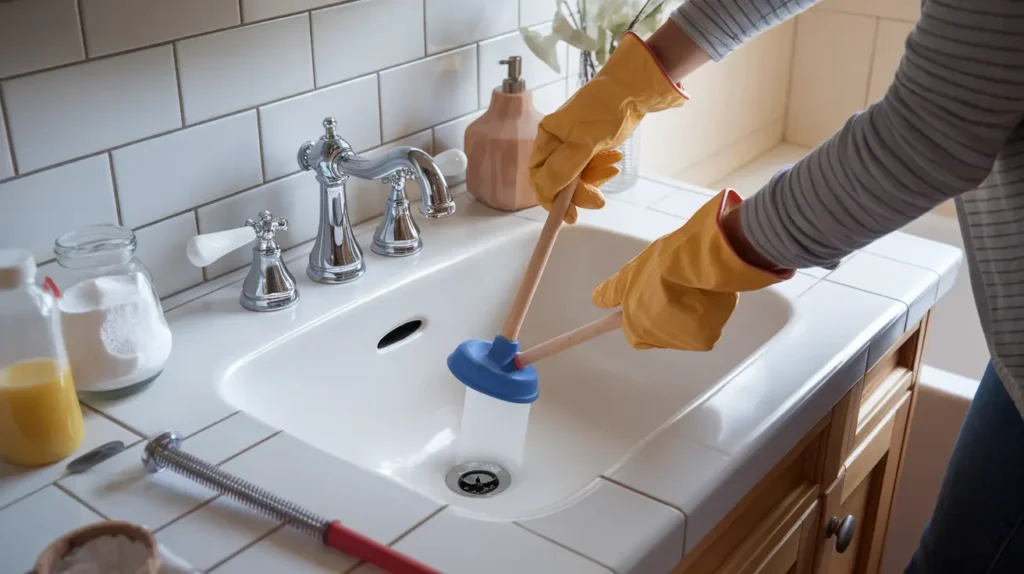
Over the years, I’ve tested several approaches while helping friends, family, and even neighbors. Below are proven methods that work for most household clogs.
Start With Hot Water
This may sound too simple, but hot water is often overlooked. For mild clogs caused by soap and grease, boiling water can loosen residue and improve drainage.
Slowly pour hot water down the drain in stages. If water starts flowing more freely, you’ve likely removed the early buildup. This method works best when the sink is draining slowly but not fully blocked.
Remove Hair From Bathroom Sink Drain
Hair is one of the most common culprits. If water pools quickly, the blockage may be close to the surface.
Carefully remove the stopper and use a drain snake or even a straightened wire hanger to pull out trapped hair. I’ve personally removed shocking amounts of hair this way, especially in shared bathrooms.
This simple step alone can fix many bathroom drain cleaning issues without chemicals.
Use Baking Soda and Vinegar Naturally
One of my favorite natural solutions involves ingredients almost everyone has at home.
If you’re searching for how to unclog bathroom sink naturally, this method is ideal:
- Pour baking soda into the drain
- Follow with vinegar
- Let it sit for at least 15 minutes
- Flush with hot water
The fizzing reaction helps break down soap and organic matter. It’s safe for pipes and environmentally friendly.
Try a Plunger the Right Way
Many people think plungers are only for toilets, but they work surprisingly well on sinks too.
Seal the overflow hole with a damp cloth, add a little water, and plunge firmly. This creates pressure that can dislodge stubborn clogs deeper in the pipe.
Clean the Sink Trap
If the clog persists, it may be stuck in the P-trap under the sink. Place a bucket underneath, carefully unscrew the trap, and clean out debris.
This method is especially effective for repeated sink clog removal problems.
Real-Life Case Study: A Repeated Bathroom Sink Drainage Problem
One homeowner I worked with complained about constant sink clogs despite regular cleaning. After inspecting the setup, we discovered that thick hair combined with heavy soap use had caused buildup far beyond the visible area.
We cleaned the trap, flushed the system, and advised switching to a liquid soap that leaves less residue. Since then, they haven’t experienced another clog. This case highlights why understanding what causes a bathroom sink to clog is just as important as fixing it.
How to Fix a Slow Draining Bathroom Sink Before It Gets Worse
A slow draining bathroom sink is often a warning sign. Acting early prevents full blockages.
Regular maintenance habits help:
- Rinse the drain weekly with hot water
- Remove visible debris
- Avoid washing thick products down the sink
These simple actions can prevent major plumbing issues.
When DIY Isn’t Enough
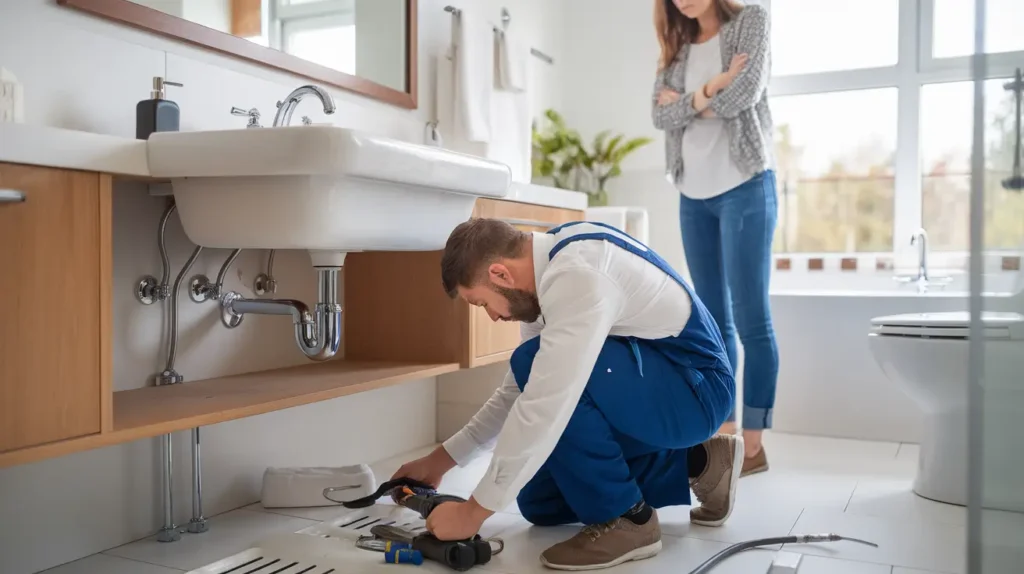
Sometimes, even the best DIY methods don’t solve the problem. If you’ve tried multiple techniques and water still won’t drain, it may indicate a deeper pipe issue.
In such cases, calling a professional is the safest option. Persistent bathroom sink drainage problem situations often involve pipe damage or buildup far inside the plumbing system.
Preventing Future Sink Clogs
Prevention is always easier than repair. Based on years of experience, here’s what works best:
- Use a drain cover to catch hair
- Clean the stopper monthly
- Flush with baking soda and hot water regularly
- Avoid rinsing oils or thick products down the sink
Following these habits drastically reduces the risk of future clogs.
Final Thoughts From Experience
Learning how to unclog a bathroom sink without chemicals changed how I handle home maintenance. Most clogs can be fixed quickly with patience and the right method. The key is acting early, understanding the cause, and choosing safe, ADA-Compliant solutions that support accessibility and ease of use.
Whether you’re dealing with a minor slowdown or a full blockage, these proven techniques give you control over the problem. With proper care and regular maintenance, bathroom sink clogs don’t have to disrupt your daily routine again.
FAQ’s:
What is the easiest way to unclog a bathroom sink?
The easiest way to unclog a bathroom sink is flushing hot water followed by baking soda and vinegar for light blockages.
How do I fix a slow draining bathroom sink?
To fix a slow draining bathroom sink, remove hair buildup, clean the stopper, and flush the drain with hot water weekly.
How do you unblock a severely blocked drain?
A severely blocked drain usually needs a plunger or drain snake to clear deep sink drain blockage safely and effectively.
What will dissolve hair in a clogged drain?
Baking soda and vinegar can dissolve hair in a clogged drain naturally without damaging pipes or using harsh chemicals.

Bathroom Mirror Cabinet: Choosing the Perfect Storage Solution

How Can You Find the Best House Painter in Brentwood?